When your air conditioner fails during a Toronto heat wave, every hour counts
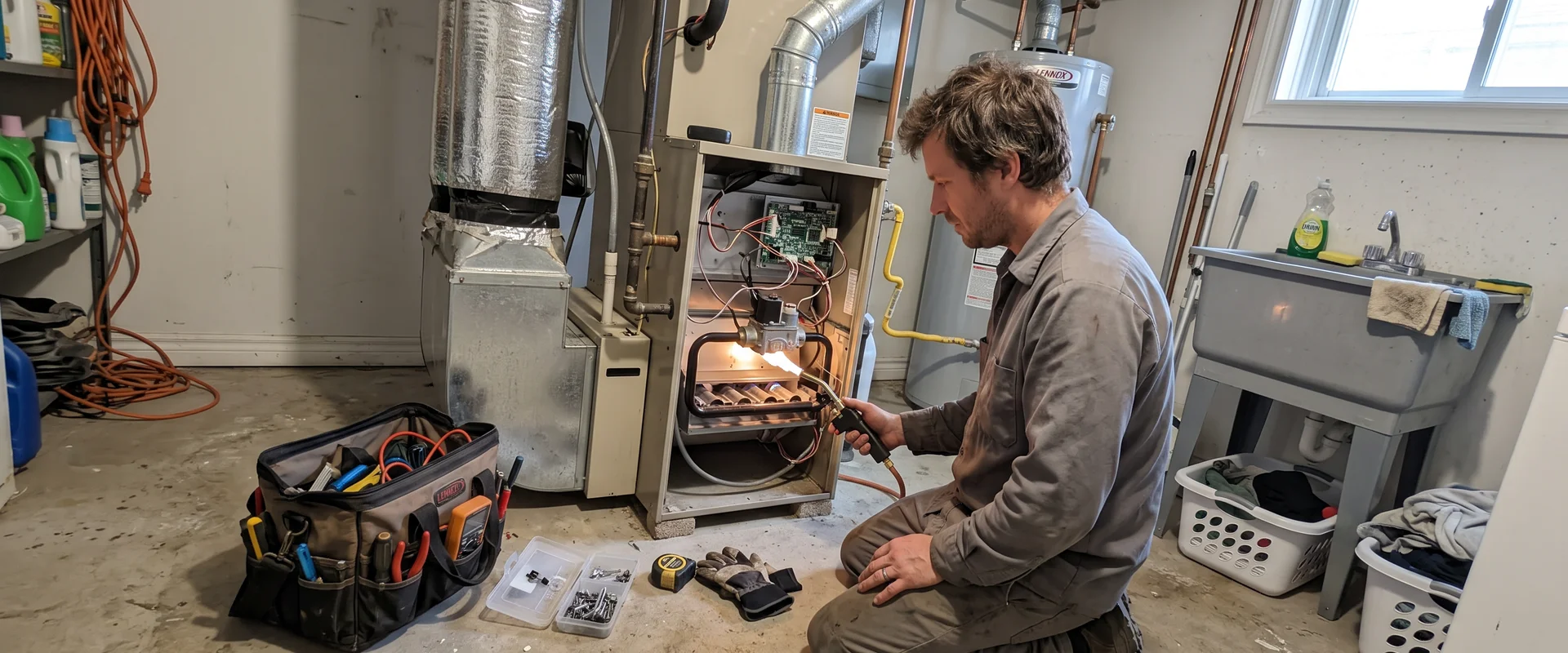
Best HVAC Toronto is a full-service HVAC contractor providing 24/7 emergency AC repair across Toronto and the GTA, with a typical two-hour emergency response and TSSA-certified technicians on every call. Toronto summers bring sustained stretches above 30 degrees Celsius, often with humidex readings near 40, and a failed air conditioner during an Environment Canada heat warning creates genuine health risk for households with young children, older residents, or anyone with a respiratory condition. Our team dispatches 24 hours a day because no-cooling calls in a heat wave cannot be booked for next Tuesday.
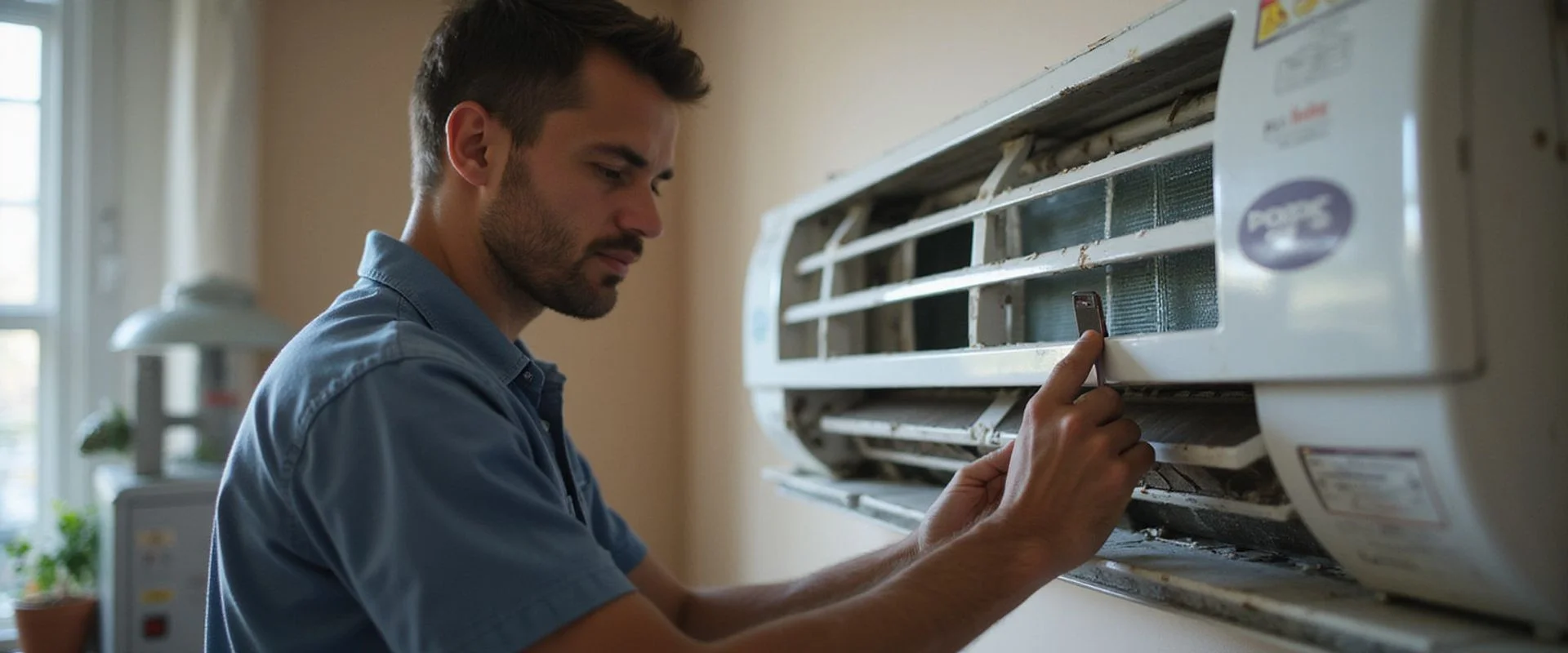
Emergency AC repair covers the full range of failures that take a system down mid-summer: a condenser that runs but does not cool, a unit that shuts off within minutes of starting, a frozen coil that restricts airflow through the house, and a system that will not start at all. Each symptom points to a specific component, and diagnosing it correctly on the first visit is the difference between cooling restored that evening and a callback for a part.
Best HVAC Toronto’s licensed technicians arrive with the most commonly failed AC parts on every service van. Run capacitors, contactors, condensate pumps, and fan motor components are stocked for same-visit repairs. As a manufacturer-authorized dealer for Lennox, Carrier, Trane, Bosch, and York, the crew works on these central air systems every week, and ductless mini-split emergencies, including Mitsubishi and Daikin units, are covered under the same dispatch, whether the system cools a detached home, a semi, or a stacked townhouse.
Why did my air conditioner stop cooling?
The capacitor fails and the condenser cannot start
A failed run capacitor is the single most common emergency AC call in a Toronto summer. The compressor or fan motor draws more current than usual trying to start, hums, and shuts off on over-temperature protection. Replacing the capacitor is a quick repair that most calls can resolve in under an hour. Leaving it in that state risks burning out the compressor, which is a far more expensive problem.
Refrigerant has leaked and the system cannot cool
Refrigerant does not get consumed, so if the charge is low there is a leak somewhere in the system. A partially depleted system blows cool but not cold, and the house never quite reaches the thermostat setting no matter how long it runs. Full depletion causes the evaporator coil to ice over and restricts airflow entirely. The correct repair is to find and fix the leak, recover the remaining refrigerant, repair the breach, pull a vacuum, and recharge to the manufacturer’s specification. Simply topping up without finding the leak is a short-term fix that will repeat next season.
The evaporator coil has frozen and blocked airflow
A frozen coil produces the same symptom as refrigerant loss but from a different cause: restricted airflow, usually a badly clogged filter, dirty coil, or blocked return air path. The system blows warm or barely cool air despite running. The correct first step is to turn the system off and let it thaw before diagnosis, otherwise the blockage masks the underlying cause. Check the filter before calling us: if it is visibly packed solid, replace it and restart. If the problem continues, call 647-254-4113.
The contactor is stuck or burnt
The contactor is the electrical switch that connects the compressor and fan motor to mains power when the thermostat calls for cooling. A stuck-open contactor means the outdoor unit will not start at all even when the thermostat is calling. A stuck-closed contactor means the outdoor unit runs continuously regardless of the thermostat, which eventually damages the compressor. Both are carried on the van.
Ductless mini-split emergency failures
Mini-splits fail differently from central systems. Common emergency scenarios include refrigerant leaks at the flare connections, error codes from communication faults between the indoor and outdoor units, blocked drainage causing the indoor unit to shut down on overflow protection, and failed fan bearings in the indoor cassette. Our team diagnoses both split systems and central ducted equipment on the same dispatch.
How much does emergency AC repair cost in Toronto?
The diagnostic is $150 and applies to the repair if you proceed. Most emergency repairs land between $300 and $700 CAD including parts. A run capacitor or contactor replacement sits at the lower end of that range. A refrigerant leak repair with detection, repair, and recharge runs higher depending on where the leak is and how much refrigerant the system holds. Weekend and after-hours calls carry a slightly higher rate, and you will see the exact number in writing before any work begins.
Pricing is in CAD (2026 rates) and confirmed in writing before work starts. If the diagnosis shows the repair cost approaches the value of a newer system, Best HVAC Toronto technicians will show you both numbers and let you decide without pressure. For reference, a new central AC installation runs $4,000 to $8,000 depending on tonnage and SEER2 rating. For a typical 2,000 sq ft Toronto home, the tonnage comes from a load calculation of that specific house rather than a rule of thumb, so the replacement quote reflects how your home actually gains heat.
R-410A and R-454B: what the refrigerant transition means for your system
As of 2026, new air conditioning equipment has moved to lower global warming potential refrigerants, principally R-454B and R-32. If your current system uses R-410A, it can still be serviced and refrigerant remains available in Ontario, but supply has tightened and the cost per kilogram has risen. If your system is over 12 years old and requires a significant refrigerant repair, our team will show you the repair cost alongside a replacement estimate so you can weigh both options honestly. A replacement is also a home efficiency upgrade: a higher-SEER2 central air system, or a cold-climate heat pump that cools in summer and heats through winter and is eligible for rebates of up to $6,500. There is no pressure either way.
Which Toronto and GTA neighbourhoods do we cover?
Searching for an emergency AC technician near you? Our same-day response covers all of Toronto including North York, Etobicoke, Scarborough, East York, and York. Beyond the city, the same dispatch extends to Mississauga, Brampton, Vaughan, Woodbridge, Thornhill, Markham, Richmond Hill, Oakville, Burlington, and the Durham region including Ajax, Pickering, Whitby, and Oshawa.
Toronto’s housing stock creates some specific heat-wave challenges. Detached homes in Scarborough and North York built in the 1970s and 1980s often have original ductwork with undersized returns that restrict airflow and accelerate coil freezing. Condos and stacked townhomes in Etobicoke and downtown frequently rely on through-wall fan coil units or connections to central building plant, and the failure modes differ from single-family central systems. Older semi-detached and row houses in Leslieville, Riverdale, and The Annex often run central air through ductwork originally sized for a furnace, which leaves the upper floor hottest when the system struggles. Our crew brings over 20 years of combined Ontario HVAC experience to all of these building types. For restaurants, offices, and retail units running rooftop equipment, our commercial HVAC team handles no-cooling calls as well.
If your central AC system has reached the end of its serviceable life and the emergency repair cost does not make sense, our team can quote a replacement during the same visit. If the emergency is related to a gas line issue or an Enbridge red tag, our team also handles Red Tag compliance and gas restoration as part of a single visit where possible.
AC down right now? Call 647-254-4113, day or night
A failed air conditioner in a Toronto heat wave is a genuine emergency. Call 647-254-4113 any time, day or night, and the TSSA-certified Best HVAC Toronto team will dispatch same-day across Toronto and the Greater Toronto Area, with a typical two-hour emergency response.